

Of the Faith Once Delivered
What We Believe
A confession of the Christian faith as received and taught at King’s Way, according to the historic formularies of the Anglican Church.
Contents
The Preface
We are not the inventors of our faith but its heirs. King’s Way stands in the stream of the English Reformation, which sought no new religion but the recovery of the old: the faith of the apostles, confessed by the fathers of the early Church, and cleansed of Roman error. What follows is not a private opinion but a public confession, the doctrine our clergy is bound to teach and our members are expected to embrace.
Part the First
The Formularies
Our doctrine is governed by the following standards, each subordinate to Holy Scripture.
I
Holy Scripture
The Old and New Testaments, the written Word of God and the supreme rule of faith and life.
II
The Three Ecumenical Creeds
The Apostles’, Nicene and Athanasian Creeds, received because they may be proved by most certain warrants of Holy Scripture.
III
The Thirty-Nine Articles of Religion
The confession of the Anglican Church, settled in 1571, taken in their plain and literal sense.
IV
The Book of Common Prayer, 1662
Our standard of devotion and a faithful expression of our doctrine in prayer.
V
The Ordinal
The form of making, ordaining and consecrating bishops, priests and deacons.
VI
The Books of Homilies
Sermons appointed by the Reformers, commended by the Articles as containing godly and wholesome doctrine.
As said at Morning and Evening Prayer
The Apostles’ Creed
I believe in God the Father Almighty, Maker of heaven and earth: And in Jesus Christ his only Son our Lord, Who was conceived by the Holy Ghost, Born of the Virgin Mary, Suffered under Pontius Pilate, Was crucified, dead, and buried, He descended into hell; The third day he rose again from the dead, He ascended into heaven, And sitteth on the right hand of God the Father Almighty; From thence he shall come to judge the quick and the dead. I believe in the Holy Ghost; The holy Catholic Church; The Communion of Saints; The Forgiveness of sins; The Resurrection of the body; and the life everlasting. Amen.
Our Prayer Book
The Book of
Common Prayer
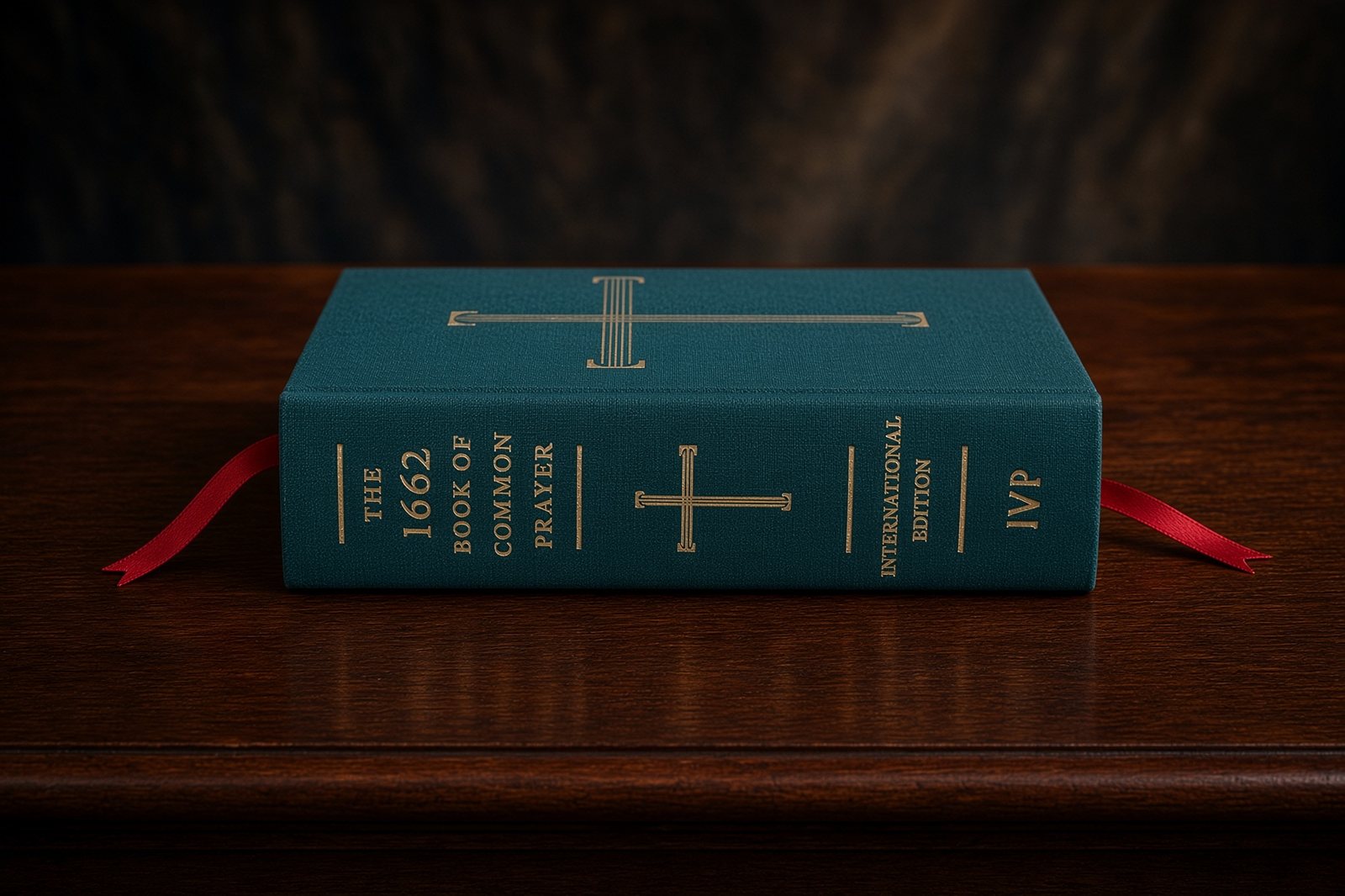
The Book of Common Prayer is the prayer book of the English Reformation. Archbishop Thomas Cranmer first compiled it in 1549, drawing on the ancient liturgies of the Church and reforming them by the Word of God. After revisions in 1552 and 1559, it was settled in its classic form in 1662, the edition we use today.
Being 80% Scripture, it holds the whole pattern of Christian worship: with daily Morning and Evening Prayer.
Because the Prayer Book carries the Reformation’s doctrine into the Church’s prayers, it is one of our doctrinal standards. As the old saying goes, the law of prayer is the law of belief: what we pray together, we come to believe together.
Part the Second
A Summary of the Thirty-Nine Articles
The Articles of Religion, settled in 1571, are the doctrinal confession of the Anglican Reformation. Here each is summarized in plain words, arranged in their four traditional divisions.
The Reformed Faith: God, Christ & Holy Scripture Articles I–VIII
The substance of the ancient creeds: the one God in Trinity, the person and work of Christ, the Holy Spirit, and the Scriptures and Creeds by which the faith is known.
I
Of Faith in the Holy Trinity
There is one living and true God, everlasting, of infinite power, wisdom and goodness, and in the unity of the Godhead three Persons of one substance: the Father, the Son, and the Holy Ghost.
II
Of the Word, or Son of God, which was made very Man
The eternal Son took man’s nature of the Blessed Virgin, so that two whole natures, the Godhead and manhood, are joined in one Christ, who truly suffered, was crucified, dead and buried, to reconcile His Father to us.
III
Of the going down of Christ into Hell
As Christ died for us and was buried, so also it is to be believed that He went down into hell.
IV
Of the Resurrection of Christ
Christ truly rose again from death, took again His body, ascended into heaven, and there sits until He returns to judge all men at the last day.
V
Of the Holy Ghost
The Holy Ghost, proceeding from the Father and the Son, is of one substance, majesty and glory with the Father and the Son, very and eternal God.
VI
Of the Sufficiency of the Holy Scriptures for Salvation
Holy Scripture contains all things necessary to salvation, so that whatever is not read therein, nor may be proved thereby, is not to be required of any man as an article of the faith.
VII
Of the Old Testament
The Old Testament is not contrary to the New, for in both everlasting life is offered through Christ. The ceremonial and civil laws of Moses do not bind Christians, but no Christian is free from obedience to the moral commandments.
VIII
Of the Three Creeds
The Nicene Creed, the Athanasian Creed, and the Apostles’ Creed ought thoroughly to be received and believed, for they may be proved by most certain warrants of Holy Scripture.
Personal Religion: Sin & Salvation Articles IX–XVIII
How a sinner is made right with God: the fall of man, the bondage of the will, and justification by grace alone, through faith alone, in Christ alone.
IX
Of Original or Birth-Sin
Every person born of Adam inherits a nature corrupted and inclined to evil, deserving God’s wrath; and this infection remains even in those who are regenerated.
X
Of Free-Will
Since the fall of Adam, man cannot turn and prepare himself by his own strength to faith and calling upon God; the grace of God must go before us and work with us.
XI
Of the Justification of Man
We are accounted righteous before God only for the merit of our Lord Jesus Christ by faith, and not for our own works or deservings. Justification by faith only is a most wholesome doctrine and very full of comfort.
XII
Of Good Works
Good works, the fruits of faith, follow after justification. They cannot put away our sins, yet they are pleasing to God in Christ and spring necessarily out of a true and lively faith.
XIII
Of Works before Justification
Works done before the grace of Christ and the inspiration of His Spirit are not pleasing to God, neither do they make men meet to receive grace.
XIV
Of Works of Supererogation
No one can do more than God commands, so the teaching that the saints store up surplus merit for others cannot be taught without arrogance and impiety.
XV
Of Christ Alone without Sin
Christ alone was without sin; all the rest of us, even though baptized and born again in Him, still offend in many things.
XVI
Of Sin after Baptism
Not every deadly sin committed after baptism is unpardonable. By the grace of God we may rise again and amend our lives, and repentance is not to be denied to such as truly repent.
XVII
Of Predestination and Election
Before the foundations of the world were laid, God by His everlasting purpose chose some in Christ out of mankind to bring them to everlasting salvation; a doctrine full of sweet, pleasant and unspeakable comfort to the godly.
XVIII
Of Obtaining Eternal Salvation Only by the Name of Christ
Men are not saved by any law or sect they profess, however sincerely; Holy Scripture sets out only the name of Jesus Christ, whereby men must be saved.
Corporate Religion: The Church, Ministry & Sacraments Articles XIX–XXXVI
The life of the visible Church: her nature and authority, her lawful ministry, the two Sacraments of the Gospel, and her order and discipline.
XIX
Of the Church
The visible Church of Christ is a congregation of faithful men, in which the pure Word of God is preached and the Sacraments duly ministered according to Christ’s ordinance. The Churches of Jerusalem, Alexandria, Antioch and Rome have all erred.
XX
Of the Authority of the Church
The Church has power to decree rites and ceremonies and authority in controversies of faith, yet she may ordain nothing contrary to God’s written Word, nor expound one place of Scripture so as to contradict another.
XXI
Of the Authority of General Councils
General Councils may err and sometimes have erred, even in things pertaining to God; what they ordain as necessary to salvation has no authority unless it is taken out of Holy Scripture.
XXII
Of Purgatory
The Roman doctrine of purgatory, pardons, the worshipping and adoration of images and relics, and the invocation of saints is a fond thing, vainly invented and repugnant to the Word of God.
XXIII
Of Ministering in the Congregation
No man may take upon himself the office of public preaching or ministering the Sacraments in the congregation unless he is lawfully called and sent.
XXIV
Of Speaking in the Congregation in a Tongue the People Understand
Public prayer and the ministering of the Sacraments in a language the people do not understand is plainly repugnant to the Word of God and the custom of the early Church.
XXV
Of the Sacraments
The Sacraments are not only badges of a Christian profession but sure witnesses and effectual signs of grace. There are two Sacraments ordained of Christ in the Gospel, Baptism and the Supper of the Lord; the five commonly called sacraments are not to be counted as such.
XXVI
Of the Unworthiness of the Ministers
The unworthiness of a minister does not hinder the effect of the Sacraments, which are effectual because of Christ’s institution and promise; yet evil ministers are to be examined and deposed.
XXVII
Of Baptism
Baptism is a sign of regeneration, by which those who rightly receive it are grafted into the Church and the promises of forgiveness and adoption are visibly signed and sealed. The baptism of young children is to be retained.
XXVIII
Of the Lord’s Supper
The Supper is a Sacrament of our redemption by Christ’s death, in which the body of Christ is given, taken and eaten only after a heavenly and spiritual manner, received by faith. Transubstantiation cannot be proved by Holy Writ.
XXIX
Of the Wicked which Eat Not the Body of Christ
The wicked, and such as lack a lively faith, though they press the Sacrament with their teeth, are in no way partakers of Christ, but eat and drink judgment to themselves.
XXX
Of Both Kinds
The cup of the Lord is not to be denied to the lay people; both the bread and the cup are to be ministered to all Christians alike.
XXXI
Of the One Oblation of Christ Finished upon the Cross
The offering of Christ once made is the perfect redemption and satisfaction for all the sins of the whole world; the sacrifices of Masses were blasphemous fables and dangerous deceits.
XXXII
Of the Marriage of Priests
Bishops, priests and deacons are not commanded by God’s law to abstain from marriage, and may lawfully marry at their own discretion.
XXXIII
Of Excommunicate Persons
Those rightly cut off from the unity of the Church by open denunciation are to be treated as such until they are openly reconciled by penance.
XXXIV
Of the Traditions of the Church
Traditions and ceremonies need not be everywhere alike and may be changed, so long as nothing is ordained against God’s Word; those who openly break them should be rebuked.
XXXV
Of the Homilies
The two Books of Homilies contain godly and wholesome doctrine, necessary for these times, and are to be read in churches diligently and distinctly.
XXXVI
Of Consecration of Bishops and Ministers
The Ordinal contains all things necessary to the consecration of bishops and the ordering of priests and deacons, and has nothing in it superstitious or ungodly.
National Religion: Church & Commonwealth Articles XXXVII–XXXIX
The Christian’s duties in the civil order: the authority of the magistrate, the right of property, and the lawful oath.
XXXVII
Of the Civil Magistrates
The civil magistrate holds chief power over all estates in the realm, ecclesiastical and civil, though not the ministry of Word or Sacraments. The Bishop of Rome has no jurisdiction in this realm; the magistrate may punish grievous offenders with death, and Christians may lawfully serve in war.
XXXVIII
Of Christian Men’s Goods, which are Not Common
The goods of Christians are not common as touching the right, title and possession of them, yet every man ought liberally to give alms to the poor according to his ability.
XXXIX
Of a Christian Man’s Oath
Vain and rash swearing is forbidden, but a Christian may swear when the magistrate requires it in a cause of faith and charity, in justice, judgment and truth.
Part the Third
The Reformed Catholic Confession
A supplemental document of our church, clarifying doctrine and cultural positions in the present age.
The Reformed Catholic Confession
Preamble
We confess the faith of the one, holy, catholic, and apostolic Church as presented in the ecumenical creeds and clarified in the Reformation. We are Reformed Catholics: Reformed in our commitment to the supreme authority of Holy Scripture, and catholic in our embrace of the historic faith, creeds, councils, and theological inheritance received by the early Church. We do not regard the Reformation as the founding of a new church, but as the recovery of the historic Christian faith from doctrinal corruption and ecclesiastical error.
¶ As heirs of Western Christianity, we stand within the Anglican tradition and confess the Thirty-Nine Articles of Religion and the 1662 Book of Common Prayer as our doctrinal standards. These formularies, together with the Ordinal and the Homilies, give historic Anglicanism its theological and liturgical identity. Anglicanism is properly understood according to these foundational documents, by which its doctrine, worship, and ministry were defined.
¶ We affirm the Reformed Catholic character of historic Anglicanism, preserving the Church’s ancient liturgy, sacramental life, episcopal order, and catholic continuity while submitting all doctrine and worship to Holy Scripture. We reject both the reduction of Anglicanism into a merely low-church evangelicalism and the introduction of Anglo-Catholic doctrines and devotions contrary to the Reformation settlement.
¶ The doctrinal and cultural affirmations and rejections that follow are not intended to replace, revise, or supersede the Thirty-Nine Articles or The Book of Common Prayer. Rather, they are intended to clarify our convictions on matters of doctrine, worship, culture, and ecclesiastical practice that require further definition in the present age; to guard against the common distortions that have obscured confessional Anglicanism, and to protect the tradition from embracing moral and cultural positions rejected by both Scripture and the magisterial Reformers.
I. Doctrinal Affirmations & Rejections
On Prima Scriptura
We affirm Prima Scriptura as the historic Christian ordering of authority: Holy Scripture stands first as the inspired, infallible, sufficient, and supreme rule of faith and practice, by which every doctrine and authority must finally be judged.1 Under Scripture, we receive both the historic witness of the Church—especially the ecumenical creeds, ancient councils, Fathers, liturgies, and confessions—and the faithful use of sanctified reason and Christian experience as secondary and subordinate authorities. Together, these aid the Church in rightly interpreting, applying, and living according to the Word of God, while possessing no authority independent of or contrary to Scripture.2 We therefore affirm Sola Scriptura, rightly understood, while rejecting Solo Scriptura and the wooden biblicism that treats the individual Christian and his private interpretation as though the Church’s historic witness, sound reason, and Christian experience carried no meaningful authority.3 Scripture alone is infallible and finally binding, but Scripture is ordinarily interpreted within the communion of the Church through the faithful use of these subordinate authorities.
- Deuteronomy 4:2; Psalm 19:7–11; 119:89, 105, 160; Isaiah 8:20; Matthew 4:4, 7, 10; John 10:35; 17:17; Acts 17:11; 2 Timothy 3:15–17; 2 Peter 1:19–21.
- Proverbs 1:5–7; 11:14; Luke 1:1–4; Acts 2:42; 15:1–29; Romans 12:1–2; 1 Corinthians 10:15; Ephesians 4:11–14; Philippians 1:9–10; 1 Timothy 3:15; 2 Timothy 1:13–14; Hebrews 5:14; 13:7.
- Proverbs 18:1–2; Acts 8:30–31; 15:1–29; 1 Corinthians 14:29; 1 Thessalonians 5:21; 2 Peter 3:15–16.
On the Doctrines of Grace
We affirm the Doctrines of Grace as the biblical teaching on salvation, rooted in the Augustinian understanding of grace and faithfully summarized in the Five Points of Calvinism.1 At the heart of this doctrine is the absolute sovereignty of God in salvation—that from election to glorification, salvation is entirely the work of God’s free grace and not the autonomous will of fallen man.2 We believe these truths are plainly taught in Scripture and are consistent with the Thirty-Nine Articles of Religion.3 Accordingly, we reject all forms of Arminianism and Semi-Pelagianism, as they diminish God’s sovereign grace in salvation and attribute to fallen man a decisive role that Scripture reserves for God alone.4
- Genesis 6:5; Psalm 51:5; Jeremiah 17:9; Ezekiel 36:25–27; John 3:3–8; 6:37–44, 63–65; Romans 3:9–18; 8:7–9; 9:6–24; 1 Corinthians 2:14; Ephesians 1:3–14; 2:1–10; Titus 3:3–7.
- Matthew 11:25–27; John 1:12–13; 5:21; 6:37–44; 10:26–29; 15:16; 17:2, 6, 9, 12, 20–24; Acts 13:48; 16:14; Romans 8:28–39; 9:6–24; 11:5–7; 1 Corinthians 1:26–31; 4:7; Ephesians 1:3–14; Philippians 1:6, 29; 2:12–13; 2 Timothy 1:9; Hebrews 7:25; 12:2; 1 Peter 1:1–5; 1 John 5:1, 11–13; Revelation 13:8; 17:8.
- John 6:37–44, 63–65; Romans 8:28–30; 9:6–24; Ephesians 1:3–14; 2:1–10; Philippians 2:12–13; 2 Timothy 1:9.
- John 1:12–13; 3:3–8; 6:44, 63–65; 8:34–36; Acts 2:47; Romans 3:9–18; 8:7–9; 9:16; 1 Corinthians 1:26–31; 2:14; Ephesians 2:1–10; Philippians 1:29; Titus 3:3–7.
On Eschatology
We affirm an optimistic, postmillennial eschatology grounded in the present reign of the ascended Christ, who must reign until all his enemies are placed beneath his feet.1 Through the preaching of the Gospel and the power of the Holy Spirit, the nations will be discipled, Christ’s kingdom will advance in the Church and throughout society, and the earth will be filled with the knowledge of the Lord as the waters cover the sea before his bodily return in glory.2 We reject dispensational premillennialism and all defeatist eschatologies that diminish Christ’s present kingship, weaken confidence in the Great Commission, or deny the promised triumph of the Gospel in history.3
- Psalm 2; 47:1–9; 72:8–11, 17–19; 110:1–7; Isaiah 9:6–7; Daniel 7:13–14, 27; Luke 1:32–33; Acts 2:29–36; 1 Corinthians 15:24–28; Ephesians 1:20–23; Philippians 2:9–11; Hebrews 2:5–9; 10:12–13; Revelation 11:15; 19:11–16.
- Psalm 22:27–31; 67:1–7; 86:9; Isaiah 2:2–4; 11:1–10; 25:6–9; 42:1–4; 45:22–23; 49:6; 52:7–10; 60:1–22; 65:17–25; Daniel 2:34–35, 44–45; Habakkuk 2:14; Zechariah 9:9–10; Matthew 13:31–33; 16:18; 28:18–20; John 12:31–32; Romans 11:12, 15, 25–26; Revelation 20:1–6.
- Psalm 2; 110:1–7; Daniel 2:34–35, 44–45; Matthew 28:18–20; 1 Corinthians 15:24–28; Hebrews 10:12–13; Revelation 11:15; 20:1–6.
On Covenant Theology
We affirm that Scripture unfolds through the covenantal framework of the Covenant of Redemption, the Covenant of Grace, and the Covenant of Works.1 Before the foundation of the world, the Father, Son, and Holy Spirit entered into the Covenant of Redemption, whereby the Son freely undertook to redeem His elect.2 In creation, God established a gracious Covenant of Works with Adam as the federal head of mankind, promising life upon perfect obedience and death upon disobedience.3 After the Fall, God revealed the Covenant of Grace, grounded in the eternal Covenant of Redemption and centered upon the person and work of Jesus Christ.4 This one Covenant of Grace is progressively administered throughout redemptive history—from the promise in Eden, through the Noahic, Abrahamic, Mosaic, Davidic, and New Covenants—yet always offering salvation by grace alone through faith alone in Christ alone.5 We therefore reject all forms of dispensationalism that divide the people of God or assign separate redemptive purposes to Israel and the Church.6 The Church is the fulfillment of the Israel of God, and all the promises of God find their Yes and Amen in Jesus Christ.7
- Romans 5:12–21; Galatians 3:6–29; Ephesians 1:3–14; Hebrews 8:6–13; 9:15; 13:20.
- Psalm 110:1–7; John 6:37–40; 10:14–18, 27–30; 17:1–12, 20–26; Ephesians 1:3–14; Hebrews 7:22; 13:20.
- Genesis 2:16–17; Hosea 6:7; Romans 5:12–21; 1 Corinthians 15:21–22, 45–49.
- Genesis 3:15; Jeremiah 31:31–34; 32:38–40; Ezekiel 36:25–28; Luke 22:20; Galatians 3:14–29; Hebrews 8:6–13; 9:15; 10:15–18.
- Genesis 3:15; 6:18; 9:8–17; 12:1–3; 15:1–21; 17:1–14; 22:15–18; Exodus 19:3–6; 24:3–8; Deuteronomy 30:1–10; 2 Samuel 7:12–16; Psalm 89:3–4, 28–37; Jeremiah 31:31–34; Luke 22:20; Romans 4:9–17; Galatians 3:6–9, 14–29; Hebrews 6:13–20; 8:6–13; 9:15.
- Romans 9:6–8, 23–26; 11:16–24; 1 Corinthians 10:1–4; Galatians 3:26–29; 4:21–31; Ephesians 2:11–22; Colossians 2:11–12; 1 Peter 2:4–10.
- 2 Corinthians 1:20; Galatians 3:16, 26–29; Ephesians 2:11–22; 1 Peter 2:4–10; Revelation 5:9–10; 21:1–7.
On Creation and Evolution
We affirm the historic doctrine of creation: that God made the heavens and the earth and all things in them in six ordinary days, according to the plain sense of Genesis 1 and the consistent testimony of Scripture.1 We reject macroevolution and the claim that mankind arose through a long process of common descent, affirming instead that Adam and Eve were directly and specially created by God as the first human pair.2 While we recognize limited variation and adaptation within created kinds, these processes do not overturn the biblical distinction between kinds or the unique creation of man in God’s image.3
- Genesis 1:1–31; 2:1–3; Exodus 20:8–11; 31:15–17; Deuteronomy 4:32; Job 38:4–7; Psalm 19:1–6; 33:6–9; 104:1–30; 136:5–9; Isaiah 40:26–28; 42:5; 45:12, 18; Jeremiah 10:12; John 1:1–3; Colossians 1:15–17; Hebrews 1:2–3; 11:3; 2 Peter 3:5; Revelation 4:11; 10:6; 14:7.
- Genesis 1:26–28; 2:7, 18–25; 5:1–2; Matthew 19:4–6; Mark 10:6–9; Luke 3:38; Acts 17:24–26; Romans 5:12–19; 1 Corinthians 11:7–9; 15:21–22, 45–49; 1 Timothy 2:13–14.
- Genesis 1:11–12, 21, 24–28; 5:1–2; Psalm 8:3–8; Romans 1:19–25; 1 Corinthians 11:7–9; 15:38–39.
On the Lord’s Supper
We affirm that in the Lord’s Supper the bread and wine, being set apart by consecration, become for believers the true body and blood of Christ, received in a mysterious and real spiritual and physical manner by faith through the operation of the Holy Spirit.1 This presence is neither a mere memorial nor a transubstantiation of the elements’ substance, but a true, effectual, and mysterious participation in the body and blood of our Lord that nourishes the souls and bodies of the faithful or condemns the unfaithful.2 The elements, once consecrated, are to be treated with reverence and must be consumed by the communicants.3
- Matthew 26:26–29; Mark 14:22–25; Luke 22:14–20; John 6:35, 48–58, 63; 1 Corinthians 10:16–18; 11:23–26; 12:13.
- Psalm 34:8; John 6:35, 48–58, 63; 1 Corinthians 10:16–18, 21; 11:27–34; Hebrews 9:13–14; 10:19–22; 12:22–24.
- Exodus 12:1–14; Matthew 26:26–29; Mark 14:22–25; Luke 22:14–20; Acts 2:42, 46; 20:7; 1 Corinthians 11:20–34; Revelation 19:6–9.
On Paedocommunion
We affirm paedocommunion as the ordinary catholic and covenantal practice of admitting baptized children to the Lord’s Table.1 Baptism marks them as members of Christ’s visible body, and the Supper nourishes those whom God has received into that covenant community.2 Under the old covenant, Passover was a household meal in which covenant children participated, and Christ fulfilled Passover by instituting the Lord’s Supper as the covenant meal of his people.3 We therefore believe that admitting baptized children to the Table reflects the continuity of God’s covenant dealings rather than introducing a novel practice.4 We affirm that the command to examine oneself in 1 Corinthians 11 concerns the disorder, division, and profaning of the Supper present in the Corinthian church, wherein some members were effectively excluded while others ate and drank to excess.5 We deny that this passage establishes an age or intellectual threshold for admission to the Table.6 Rather, to receive baptized children into the covenant community while withholding from them the covenant meal is contrary to the unity of the body signified in the Supper.7 Therefore, baptized children who are not under church discipline and are able to receive the elements should ordinarily be admitted to the Lord’s Table.8
- Genesis 17:7–14; Matthew 19:13–15; Mark 10:13–16; Luke 18:15–17; Acts 2:38–39, 41–42; 16:15, 31–34; 1 Corinthians 1:16; 7:14; Galatians 3:27–29; Colossians 2:11–12.
- Acts 2:38–42; 1 Corinthians 10:16–18; 12:13; Galatians 3:27–29; Colossians 2:11–12.
- Exodus 12:3–4, 21–27, 43–49; Deuteronomy 12:7, 12, 18; 16:10–14; Joshua 5:10–12; 2 Chronicles 30:1–27; Matthew 26:26–29; Luke 22:14–20; 1 Corinthians 10:1–4, 16–18; 11:23–26.
- Genesis 17:7–14; Exodus 12:3–4, 21–27; Acts 2:38–39; 1 Corinthians 10:1–4, 16–18; Galatians 3:27–29; Colossians 2:11–12.
- 1 Corinthians 11:17–22, 27–34.
- 1 Corinthians 11:27–32.
- 1 Corinthians 10:16–18; 11:17–22; 12:13; Galatians 3:27–29.
- Matthew 19:13–15; Mark 10:13–16; Luke 18:15–17; Acts 2:38–39, 41–42; 1 Corinthians 10:16–18; 11:17–34; 12:13.
On Traducianism
We affirm that God is the author of life and ordinarily propagates the whole human person—body and soul—through natural generation from parents to children.1 As Adam, the federal head of mankind, begot children “in his own likeness, after his image,” so his descendants receive from him a true human nature together with the corruption of original sin.2 Christ, though truly descended from Adam according to the flesh, was conceived by the Holy Spirit and born of the Virgin Mary, and therefore assumed our human nature without inheriting Adam’s corruption.3 We believe this view best explains the organic unity of mankind, the transmission of fallen nature, and the covenantal continuity of families, peoples, and nations.4 While we hold traducianism to be the most faithful explanation of Scripture, we recognize the view of creationism—that God immediately creates each individual soul at conception—as permissible within Christian orthodoxy.5
- Genesis 1:26–28; 3:16, 20; 5:1–3; 46:26; Exodus 1:5; Acts 17:25–28; Hebrews 7:9–10.
- Genesis 5:1–3; Job 14:4; Psalm 51:5; Romans 5:12–19; 1 Corinthians 15:21–22, 45–49; Hebrews 7:9–10.
- Matthew 1:18–25; Luke 1:31–35; John 1:14; Romans 1:3; 8:3; Galatians 4:4; Hebrews 2:14–17; 4:15.
- Genesis 5:1–3; 46:26; Exodus 1:5; Acts 17:25–28; Romans 5:12–19; 1 Corinthians 15:21–22; Hebrews 7:9–10.
- Genesis 2:7; Deuteronomy 32:39; Job 33:4; Psalm 139:13–16; Ecclesiastes 11:5; Hebrews 7:9–10.
On Liturgy
We affirm that the liturgy—traditionally understood as “the work of the people”—is the pastorally ordered, covenant-renewal dialogue between God and His assembled congregation.1 In worship, God calls, cleanses, consecrates, communes with, and commissions His people, who answer Him together through prayer, praise, confession, hearing, and sacramental participation.2 The Book of Common Prayer serves as our primary liturgical template, but the Church is not limited to its exact forms in every circumstance.3 The Session may make prudent pastoral adjustments, additions, or adaptations where necessary, provided they remain faithful to Scripture, the Thirty-Nine Articles, the spirit of the 1662 Book of Common Prayer, and these Affirmations and Rejections and serve the needs of the congregation entrusted to its care.4 Liturgical formation precedes and sustains doctrinal conviction.5 For that reason, we reject both an emotional piety that treats worship as sincere only when it is intensely felt and a cold formalism that permits holy words to be spoken without attention, faith, or affection.6 Christ Himself repeated the same prayers, and Scripture commends persistence in prayer while condemning only vain repetition emptied of truth, understanding, and the heart.7 Ministers should therefore lead every prayer, reading, exhortation, and sacramental action with clarity, warmth, conviction, and disciplined attention, explaining the biblical meaning of the service where necessary so that the people may worship with mind, mouth, and heart.8 Accordingly, our worship should be marked by the simplicity and sobriety of classical Anglicanism rather than by ceremonial practices associated with Roman or Anglo-Catholic worship, such as incense, liturgical bells, holy water outside the baptismal font, Eucharistic adoration, reservation or procession of the consecrated host for devotional purposes, genuflection toward the reserved sacrament, invocation of saints or the Virgin Mary, and the veneration of images or relics.9 Candles, flowers, and other ordinary furnishings may be used for beauty, order, and reverence, provided they are not treated as devotional objects or invested with spiritual significance.10
- Exodus 19:3–8; 20:1–21; 24:3–11; Leviticus 9:1–24; Nehemiah 8:1–12; 9:1–38; Isaiah 6:1–8; Hebrews 12:22–29.
- Numbers 6:22–27; Psalm 22:22–25; 47:1–7; 50:1–15; 95:1–7; 96:1–9; 100:1–5; 116:12–19; Luke 22:14–20; Acts 2:42–47; 1 Corinthians 10:16–17; 11:23–29; Ephesians 5:18–20; Revelation 4:8–11; 5:8–14; 7:9–12; 19:1–9.
- Luke 4:16–21; Acts 2:42; 20:7; 1 Corinthians 14:26, 40; Colossians 3:16–17.
- Acts 13:1–3; 1 Corinthians 14:26, 33, 40; 1 Timothy 4:13; Hebrews 13:7, 17.
- Deuteronomy 6:4–9; Nehemiah 8:1–12; Psalm 78:1–7; Colossians 3:16–17; Hebrews 10:24–25.
- Isaiah 29:13; Matthew 15:7–9; Mark 7:6–8; John 4:23–24; 1 Corinthians 14:15–17; Romans 12:1–2.
- Matthew 6:5–13; 26:39–44; Luke 11:1–13; 18:1–8.
- Nehemiah 8:5–8; 1 Corinthians 14:15–17, 26, 40; Ephesians 5:18–20; Colossians 3:16–17; 1 Timothy 4:13; 2 Timothy 4:1–2.
- Deuteronomy 4:15–19; 12:29–32; Matthew 4:10; John 4:23–24; Colossians 2:20–23; Revelation 19:10; 22:8–9.
- Exodus 25:23–40; 2 Chronicles 5:11–14; 7:1–6; 1 Corinthians 10:31; 14:40; Colossians 3:17.
On Church Calendar
We affirm the historic Western Christian Calendar as a means of ordering the worship and life of the Church around the person and work of Jesus Christ and the apostolic witness.1 Accordingly, we commemorate Advent, Christmas, Epiphany, Lent, Holy Week, Good Friday, Easter, Ascension, Pentecost, Trinity Sunday, All Saints’ Day, and the principal feasts of the Apostles and Evangelists, together with such fitting commemorations as the Transfiguration and Reformation Day.2 These are observed not as divinely commanded holy days, but as faithful ecclesiastical observances that rehearse the mighty acts of God in redemption, honor the apostolic foundation of the Church, and keep the incarnation, life, death, resurrection, ascension, reign, and promised return of Christ continually before His people.3 While we honor and give thanks for faithful saints throughout Church history, we do not corporately observe days devoted to post-apostolic saints as liturgical holy days, distinguishing their worthy remembrance from the biblical and redemptive events and persons given prominence in our common worship.4 We believe the Church’s calendar serves as a biblical and historic aid to discipleship, catechesis, and worship, shaping the affections and habits of God’s people according to the Gospel rather than the rhythms of the secular age.5
- Genesis 1:14; Psalm 78:1–7; 145:4–7; Luke 22:19–20; Acts 2:42; Ephesians 2:19–22; 2 Peter 1:12–15.
- Exodus 12:14–17; Leviticus 23:1–44; Esther 9:20–28; Luke 2:41–49; John 10:22–23; Acts 20:6, 16; 1 Corinthians 5:7–8.
- Romans 14:5–6; 1 Corinthians 11:23–26; Colossians 2:16–17; Ephesians 2:19–22; Revelation 5:9–14; 7:9–12.
- Philippians 3:17; Hebrews 12:1, 22–24; 13:7; 1 Peter 2:5–9.
- Psalm 78:1–7; 145:4–7; Acts 2:42; Romans 14:5–6; Philippians 3:17; 1 Timothy 4:4–5; Hebrews 10:24–25; 2 Peter 1:12–15.
On Church Government
We affirm a plurality of pastors within the local church as the ordinary pattern of pastoral oversight taught in Holy Scripture, while also affirming synodical episcopacy as a lawful and beneficial form of church government in which bishops and presbyters serve on regional synods under the councils of the Church.1 Because Scripture does not require one exclusive polity, we reject the claim that any denomination or hierarchy is necessary for a valid church, ministry, or sacrament.2 A true church exists wherever the Word is faithfully preached by ordained ministers, the sacraments rightly administered, and discipline faithfully exercised.3 We further affirm that ecclesiastical authority should remain local and relational, and therefore reject distant supra-local hierarchies, including archbishops and presbyteries or similar offices exercising broad authority beyond meaningful local pastoral oversight.4
- Numbers 11:16–17, 24–25; Acts 14:23; 15:1–35; 20:17, 28–31; 21:17–19; Philippians 1:1; 1 Timothy 4:14; 5:17–22; Titus 1:5–9; James 5:14–15; 1 Peter 5:1–5.
- Matthew 18:15–20; Acts 6:1–6; 11:27–30; 13:1–3; 14:23; 15:1–35; 20:17, 28; Romans 12:4–8; 1 Corinthians 12:27–28; Ephesians 4:11–16; Philippians 1:1.
- Matthew 16:18–19; 18:15–20; 28:18–20; Acts 2:42; 1 Corinthians 5:1–13; 11:23–26; Ephesians 4:11–16; 1 Timothy 3:1–13; 2 Timothy 2:2; Titus 1:5–9.
- Deuteronomy 16:18; Acts 14:23; 20:17, 28–31; 1 Thessalonians 5:12–13; Hebrews 13:7, 17, 24; James 5:14–15; 1 Peter 5:1–5; 2 John 1; 3 John 1, 9–10.
On Clergy Offices
We affirm the use of biblical and historic titles for ordained officers, recognizing the offices and ministries of Bishop, Presbyter, Pastor, Priest, and Deacon.1 We also freely use such titles as Minister and the customary style Reverend.2 In using the term priest, however, we deny any sacerdotal meaning that would make the minister an offering priest who presents Christ again in sacrifice.3 Rather, the term refers to the historic pastoral office of presbyter within the Church, while Christ alone is our great High Priest and His sacrifice was offered once for all.4
- Acts 14:23; 20:17, 28; Ephesians 4:11–12; Philippians 1:1; 1 Timothy 3:1–13; 5:17; Titus 1:5–9; James 5:14; 1 Peter 5:1–4.
- 1 Timothy 4:6, 14; 2 Timothy 4:2, 5; Hebrews 13:7, 17.
- Hebrews 7:23–28; 9:11–14, 24–28; 10:10–14.
- Hebrews 7:23–28; 9:11–14, 24–28; 10:10–14; 1 Peter 2:5, 9; Revelation 1:5–6; 5:9–10.
On Apostolic Continuity vs. Succession
We affirm the necessity of apostolic continuity, meaning the faithful preservation and proclamation of the doctrine once delivered to the saints by Christ and His Apostles.1 While we value the historic succession of ordained ministers, we reject the claim that the validity of the Church, her ministry, or her sacraments depends upon an unbroken episcopal lineage tracing back to the Apostles.2 True apostolic succession is found primarily in fidelity to apostolic teaching, under the calling and empowering of the Holy Spirit, who appoints overseers to shepherd the Church of God.3 Such men ought ordinarily to be set apart to ministry through prayer and the laying on of hands, following the pattern of the New Testament.4
- 2 Timothy 2:2; 2 Peter 1:12–15; Jude 3; Ephesians 4:11–13.
- Acts 1:20–26; 14:23; 20:17, 28; 1 Timothy 3:1–13; Titus 1:5–9; Hebrews 13:7, 17; 1 Peter 5:1–4.
- Acts 13:2–3; 20:17, 28; 1 Corinthians 12:28; Ephesians 4:11–13; 1 Timothy 3:1–13; Titus 1:5–9.
- Acts 6:3–6; 13:2–3; 14:23; 1 Timothy 4:14; 5:22; 2 Timothy 1:6.
On The Blessed Virgin Mary
We affirm the Virgin Mary as Theotokos (“God-bearer”), that she conceived by the Holy Spirit and gave birth to our Lord Jesus Christ according to the flesh.1 As the mother of our Lord and a faithful servant of God, she is rightly regarded as blessed among women and honored among the saints.2 While belief in her perpetual virginity is permissible as a historic Christian opinion, it is not required nor established as a necessary doctrine.3 We reject the doctrines of the Immaculate Conception, the Assumption of Mary, and Mary as Co-Redemptrix or Mediatrix of Grace, since these teachings lack clear scriptural warrant and were unknown to much of the early Church.4 We affirm that Christ alone is our Redeemer, Mediator, and Advocate, and that all saving grace comes through Him alone.5
- Isaiah 7:14; Matthew 1:18–25; Luke 1:26–38, 41–43; John 1:1–18; Romans 9:5; Galatians 4:4–5; Philippians 2:5–11; Hebrews 2:14–17.
- Luke 1:38, 42, 46–49; 2:19, 34–35, 51; John 2:1–5; 19:25–27; Acts 1:14.
- Matthew 1:18–25; 12:46–50; 13:55–56; Mark 3:31–35; 6:3; John 7:3–5.
- Genesis 3:15; Romans 3:23–24; 5:12–19; 1 Corinthians 15:20–22; Ephesians 2:8–9; 1 Timothy 2:5–6; Hebrews 7:24–27; 9:11–15; 10:10–14.
- Acts 4:12; Ephesians 1:7; 1 Timothy 2:5–6; Hebrews 4:14–16; 7:24–27; 9:11–15; 10:10–14; 1 John 2:1–2; Revelation 5:9–10.
On the Sign of the Cross
We affirm a restrained use of the sign of the cross as a liturgical device for recalling the Holy Trinity, the cross of Christ, and one’s baptism, rather than as a spiritual practice possessing inherent merit or any special promise of divine favor.1 The minister may sign those being baptized according to The Book of Common Prayer and may use the sign on the congregation wherever the appointed liturgy directs.2 Outside the corporate Lord’s Day liturgy, individuals remain free to cross themselves according to conscience.3 Because the sign of the cross is neither commanded by Scripture nor necessary to true worship, it must never be required or used superstitiously, ostentatiously, excessively, or as a mark of superior devotion.4
- Matthew 28:19; Romans 6:3–4; 1 Corinthians 1:18, 23; 2:2; Galatians 2:20; 3:27; 6:14; Hebrews 12:2; 1 Peter 3:21.
- Luke 4:16; John 10:22–23; 1 Corinthians 14:26, 40; Colossians 3:17.
- Romans 14:1–6, 13, 22–23; 1 Corinthians 6:12; 10:23–24, 31.
- Matthew 6:1–6; Romans 14:1–6, 22–23; 1 Corinthians 6:12; 10:23–24, 31; Colossians 2:20–23.
On the Veneration of Icons and Use of Aids
We reject the veneration of icons because Holy Scripture forbids the use of images in religious devotion and teaches that worship belongs to God alone.1 Religious artwork may be used for instruction or beauty, but images of Christ, crucifixes, statues, relics, devotional medals, rosary beads, prayer ropes, holy cards, and similar Roman or Anglo-Catholic aids are not to be set before the eyes or handled as instruments of worship or personal devotion.2 They are not to be bowed to, kissed, prayed through, carried as objects of spiritual protection, or treated as possessing sacred power.3 We do not wish to cultivate dependence upon physical objects that Scripture has not appointed.4 For that reason, we discourage devotional aids that lack scriptural warrant and do not permit their use, display, or promotion at church gatherings.5
- Exodus 20:3–6; Leviticus 19:4; 26:1; Deuteronomy 4:15–19, 23–24; 5:7–9; 12:29–32; Isaiah 42:8; Matthew 4:10; John 4:23–24; Romans 1:22–25; Revelation 19:10; 22:8–9.
- Exodus 32:1–8; Numbers 21:8–9; 2 Kings 18:4; Psalm 115:4–8; 135:15–18; Isaiah 44:9–20; 46:5–7; Jeremiah 10:1–10; Habakkuk 2:18–20; Acts 17:24–29.
- Deuteronomy 7:25–26; 2 Kings 18:4; Isaiah 42:8; Romans 1:22–25; 1 Corinthians 10:14, 19–22; Revelation 19:10; 22:8–9.
- 2 Corinthians 5:7; Colossians 2:18–23; 1 Timothy 2:5; 1 John 5:21.
- Deuteronomy 12:29–32; 1 Corinthians 8:4–6; 10:14, 19–22; Colossians 2:18–23; 1 John 5:21.
On Praying to Saints
We reject every form of invocation of departed saints.1 Holy Scripture neither describes nor prescribes believers praying to saints, praying through saints, asking departed saints to pray for them, invoking their aid, or seeking their intercession, but consistently directs prayer to God through the sole mediation of Jesus Christ.2 While we honor the saints as faithful examples of God’s grace, we deny that they are to be addressed in prayer or treated as heavenly mediators, for such practices obscure the sufficiency of Christ’s unique and ongoing intercession.3 Likewise, we reject prayers for the dead that seek to alter their eternal state, lessen punishment, or improve their condition after death.4 Scripture teaches that after death comes judgment and that a person’s eternal destiny is fixed.5 We therefore confess that believers have direct access to the Father through the Son by the Holy Spirit and require no other mediator, advocate, or intercessor in heaven besides Jesus Christ.6
- Deuteronomy 18:10–12; 1 Samuel 28:3–20; Isaiah 8:19–20; Matthew 4:10; Revelation 19:10; 22:8–9.
- Psalm 50:15; 65:2; 116:1–2; Matthew 6:6–13; John 14:6, 13–14; 16:23–27; Acts 7:59–60; Philippians 4:6; Colossians 3:17.
- Romans 8:34; 1 Timothy 2:1–6; Hebrews 4:14–16; 7:24–25; 9:24; 10:19–22; 1 John 2:1–2.
- Luke 16:19–31; Hebrews 9:27.
- Luke 16:19–31; Hebrews 9:27; Revelation 6:9–11.
- John 14:6; 16:23–27; Romans 8:26–27, 34; Ephesians 2:18; 3:11–12; 1 Timothy 2:5–6; Hebrews 4:14–16; 7:24–25; 10:19–22; 1 John 2:1–2.
On Headcoverings in Worship
We affirm the apostolic teaching concerning headcoverings in Christian worship: that a man ought to worship with his head uncovered, for man is the image and glory of God, while woman is the glory of man and is fittingly covered when praying and worshiping in the assembly.1 The headcovering signifies the order of headship established by God in creation and preserves the distinction between male and female authorities.2 We therefore affirm and commend the biblical and historic practice of men worshiping uncovered and women worshiping covered during corporate worship and other gatherings of the Church. We do not, however, require the wearing of a headcovering as a condition of membership or Christian fellowship, nor do we bind the conscience concerning its use outside the gathered Church. Each household is free to determine its practice in private prayer, family worship, and ordinary life according to conscience and conviction.4
- 1 Corinthians 11:2–7, 13.
- Genesis 2:18–24; 1 Corinthians 11:3, 7–10; Isaiah 42:8; 1 Corinthians 10:31; 11:7; Revelation 4:9–11.
- Romans 14:5–6, 22–23; 1 Corinthians 11:13–16; Colossians 2:16–17.
On the Corruption of Roman Catholicism and Eastern Orthodoxy
We reject the Roman Catholic and Eastern Orthodox communions as faithful expressions of apostolic Christianity, believing that both have departed from the purity of the Gospel through serious doctrinal errors that obscure the sufficiency of Christ, the supreme authority of Holy Scripture, and justification by faith alone.1 Nevertheless, we recognize that true Christians may be found within both traditions, and we receive their Trinitarian baptisms as valid Christian baptisms, not requiring rebaptism of those who come into our fellowship from either communion.2 We therefore call their clergy to repentance from doctrinal error and their members to continued reformation according to the Word of God.3
- Deuteronomy 4:2; Isaiah 8:20; Matthew 15:3–9; Mark 7:6–13; John 14:6; Acts 4:12; 17:11; Romans 1:16–17; 3:21–28; 4:1–8; 5:1–2; 8:1, 33–34; 10:1–4; 2 Corinthians 11:3–4; Galatians 1:6–9; 2:16–21; 3:1–14; 5:1–6; Ephesians 2:8–9; Philippians 3:7–9; Colossians 2:8–10, 16–23; 1 Timothy 2:5–6; 2 Timothy 3:14–17; Hebrews 4:14–16; 7:24–27; 9:11–15, 24–28; 10:10–14, 19–22; 1 John 2:1–2; Jude 3.
- Matthew 28:19; 1 Corinthians 1:2; 3:11–15; Ephesians 4:4–6; Philippians 1:15–18.
- Acts 17:11, 30; Galatians 1:6–9; 2 Timothy 2:24–26; 3:14–17; Titus 1:9–11; 1 John 4:1–3; Revelation 2:4–5, 14–16, 20–25; 3:1–3, 14–22.
On Demonic Religions
We reject as false religions and heretical sects all groups that deny, distort, or add to the essential doctrines of the Christian faith as expressed in the Ecumenical Creeds, including Mormonism, Jehovah’s Witnesses, Christian Science, Judaism, Islam, Hinduism, Buddhism, the New Age, and all movements that deny the Holy Trinity, or the full deity and humanity of Christ.1 These evil systems are lies from hell that blind souls and lead them to eternal damnation.2 There is no salvation in the teachings of Muhammad, no salvation in Hindu gods, no salvation in the Talmud, and no salvation outside of Christ alone (John 14:6; Acts 4:12).3 We call Christians to oppose these dark religions without compromise in every sphere of ideological and spiritual warfare.4
- Exodus 20:3–6; Deuteronomy 6:4–5; 13:1–5; Psalm 96:4–5; Isaiah 43:10–11; 44:6–20; 45:5–6, 20–22; Matthew 28:19; John 1:1–18; 5:22–23; 10:30; 20:28–31; 1 Corinthians 8:4–6; Ephesians 4:4–6; Philippians 2:9–11; Colossians 1:15–20; Hebrews 1:1–8; 1 John 2:18–23; 4:1–6; 2 John 7–11.
- John 3:18, 36; 8:24; Romans 1:18–25; 2 Corinthians 4:3–6; 11:3–4, 13–15; Galatians 1:6–9; Ephesians 2:1–3; 5:6–11; 1 Timothy 4:1; 1 John 5:11–12; Revelation 21:8, 27; 22:14–15.
- Isaiah 45:20–22; Matthew 7:13–23; John 3:16–18, 36; 8:24; 14:6; 17:3; Acts 4:10–12; Romans 3:21–26; 10:9–13; Galatians 1:6–9; Ephesians 2:8–9; 1 Timothy 2:5–6; 1 John 5:11–12, 20–21.
- Deuteronomy 13:1–5; 18:9–14; Matthew 4:10; 10:32–33; 24:23–25; Acts 17:16–31; 1 Corinthians 10:19–22; 2 Corinthians 6:14–18; Ephesians 5:6–11; Titus 1:9–16; Jude 3–4.
II. Cultural Affirmations & Rejections
On the Roles of Women in the Church
We affirm that God has ordained distinct roles for men and women, rooted in creation order and apostolic teaching.1 In the church, the offices of bishop, pastor, and deacon are reserved exclusively for qualified men, and only men may exercise authority in teaching or ruling the assembly.2 Women are therefore prohibited from serving as bishop, pastor, or deacons, and from preaching, reading Scripture publicly, or leading prayer in the gathered worship of the church.3 Any practice of female ordination or pastoral ministry is contrary to Scripture and the historic church’s understanding of God’s Word.4
- Genesis 1:26–28; 2:18–25; 3:16; 1 Corinthians 11:3–16; Ephesians 5:22–33; 1 Timothy 2:11–15; 1 Peter 3:1–7.
- 1 Timothy 2:11–15; 3:1–13; 5:17; 2 Timothy 2:2; Titus 1:5–9; Hebrews 13:7, 17; 1 Peter 5:1–4.
- 1 Corinthians 14:33–35, 40; 1 Timothy 2:8–15; 2 Timothy 2:2.
- 1 Corinthians 14:33–35; 1 Timothy 2:11–15; 3:1–13; Titus 1:5–9; 1 Peter 5:1–4.
On Race, Nations, and Culture
We affirm that God created humanity as one kind—all descended from Adam and bearing His image—¹and that after the flood all peoples descend from Noah’s three sons, Shem, Ham, and Japheth.² From these three sons came the great ancestral divisions of mankind, whose histories unfolded according to God’s providential and prophetic blessings and judgment.³ Following Babel’s rebellious attempt at centralized globalism, God scattered and organized humanity into distinct peoples according to their ancestry, languages, lands, and nations.⁴ Old Testament Israel stands as the enduring biblical model of ordered nationalism: limited immigration was permitted, but never demographic replacement, nor the importation of pagan religion, nor the cultivation of multiculturalism.⁵ Scripture further affirms the principle of ordo amoris—the right order of love—so that it is good and natural for Christians to prefer and preserve their own race, ethnicity, and nation. Such preference does not constitute hatred toward others. Racial distinctions—including skin color and other physical and temperamental traits—are purposeful and part of God’s sovereign ordering of the world. While every person from every race is equally redeemable by grace alone through faith alone in Jesus Christ alone,⁶ the races and nations are not equal in function, aptitude, historical outcomes, or civilizational capacity. Civilization arises from the combined influence of race and religion and will not produce equal civilizational outcomes. We therefore reject every notion of absolute racial or ethnic equality that denies these God-ordained distinctions and the testimony of providential history.
- Genesis 1:26–28; 5:1–2; Acts 17:24–26.
- Genesis 9:18–19; 10:1–32.
- Genesis 9:18–27; 10:1–32.
- Genesis 10:1–32; 11:1–9; Deuteronomy 32:8; Acts 17:26–27.
- Deuteronomy 4:5–8; 7:1–6; 23:1–8; Psalm 147:19–20.
- Acts 10:34–35; Galatians 3:28–29; Ephesians 2:11–22; Revelation 5:9–10; 7:9–10.
On Interracial and Interethnic Marriage
God made one mankind in Adam.¹ After the Flood, God distinguished mankind into three macro-races in the sons of Noah—Shem, Ham, and Japheth—not as mere skin colors, but as providential and prophetic offices with different civilizational callings.² From each of those three races have come hundreds of ethnicities, languages, and cultures.³ We affirm that marriage, biblically and historically, ordinarily stays within a race so that a people can pass down and continue the civilizational work of Providence and prophecy without confusion.⁴ Interracial marriage is not sin, though it can become so through the deliberate promotion of interracial marriage for the destruction of a people’s continuity. Interracial marriage may also be necessary in exceptional circumstances; yet it is not the normative or natural pattern God used to fill the earth.⁵ Those who honor their fathers and mothers will want their children to receive the people and inheritance they themselves were given.⁶ Interethnic marriage may carry fewer civilizational tensions, but can still lead to cultural and familial complications and therefore should not be treated as the biblical or normative ideal.
- Gen. 1:26–28; 5:1–2; Acts 17:24–26; Rom. 5:12–19.
- Gen. 9:18–19; 10:1–32.
- Gen. 10:1–32; 11:1–9; Deut. 32:8; Acts 17:26–27.
- Gen. 24:2–4; 27:46–28:2; Deut. 7:1–6; Neh. 13:23–27.
- Num. 12:1–10; Ruth 1:16–17; 4:13–17; Matt. 1:5; Rev. 5:9–10; 7:9–10.
- Exod. 20:12; Deut. 5:16; Prov. 1:8–9; 23:22; Eph. 6:1–3.
On Christian Nationalism
We affirm that every nation should be explicitly Christian—governed by the lordship of Jesus Christ according to God’s design. This flows directly from the Great Commission, where Jesus declared, “All authority in heaven and on earth has been given to Me,” and commanded His Church to baptize and disciple the nations, teaching them to obey everything He has commanded. As Psalm 33:12 declares, “Blessed is the nation whose God is the Lord.” Christian Nationalism unites biblical Christianity with biblical nationalism. Christianity without nationalism becomes weak and disordered. Nationalism without Christianity turns to ethnic idolatry and tyranny. Both must work together under the authority of Scripture and the Gospel.
- Psalm 2:1–12; 22:27–28; 33:12; 47:1–9; 67:1–7; 72:8–11, 17–19; 86:9; 110:1–7; Isaiah 2:2–4; 9:6–7; 11:9–12; 42:1–4; 45:22–23; 49:6; 52:7–10; 60:1–12; Daniel 2:34–35, 44–45; 7:13–14, 27; Micah 4:1–4; Zechariah 9:9–10; Matthew 5:13–16; 28:18–20; Luke 1:32–33; John 12:31–32; Acts 2:34–36; 17:6–7, 30–31; Romans 13:1–7; 1 Corinthians 15:24–28; Ephesians 1:20–23; Philippians 2:9–11; 1 Timothy 2:1–4; Revelation 1:5; 11:15; 15:3–4; 19:15–16; 21:24–26.
On Sexuality
We affirm that God created humanity male and female as the unalterable binary foundation of human sexuality and marriage.1 Homosexuality, transgenderism, pornography, unlawful divorce, polygamy, bestiality, robophilia, and every form of sexual activity or union outside the covenant of marriage between one man and one woman are grievous perversions and sins against nature and God’s law.2 Such practices can disqualify one from church office and, when unrepentant, require loving church discipline up to excommunication.3 No one may identify with or practice these sins while claiming fellowship in Christ’s church.4
- Genesis 1:26–28; 2:18–25; Matthew 19:4–6; Mark 10:6–9.
- Genesis 19:1–11; Exodus 20:14, 17; 22:19; Leviticus 18:6–23; 20:10–16; Deuteronomy 17:17; 22:5; 27:20–23; Malachi 2:13–16; Matthew 5:27–32; 15:18–20; 19:4–9; Mark 7:20–23; 10:6–12; Luke 16:18; Romans 1:24–32; 1 Corinthians 6:9–20; 7:1–16; 10:8; Galatians 5:16–24; Ephesians 5:3–12, 25–33; Colossians 3:5–10; 1 Thessalonians 4:3–8; 1 Timothy 1:8–11; Hebrews 13:4; 1 Peter 2:11; 4:1–5; 2 Peter 2:6–10; Jude 5–8; Revelation 21:8; 22:14–15.
- Matthew 18:15–20; 1 Corinthians 5:1–13; 1 Timothy 3:1–13; 5:19–22; 2 Timothy 2:19–22; Titus 1:5–9.
- Romans 6:1–14; 12:1–2; 1 Corinthians 6:9–11; 2 Corinthians 6:14–18; 7:1; Galatians 5:16–24; Ephesians 4:17–24; Colossians 3:5–10; 1 Peter 1:14–16; Revelation 21:8; 22:14–15.
On Feminism and Effeminacy
We affirm the biblical order of creation in which God designed Woman as a helper suitable for Man, created for nurture, motherhood, and the ordering of the household under male headship.1 This distinction is rooted not merely in custom but in creation itself and is reaffirmed in the apostolic teaching of the New Testament.2 We further affirm that the ordinary biblical pattern places the burdens of public protection, governing leadership, and representative headship upon men rather than women.3 Feminism, insofar as it rejects these created distinctions, treats the sexes as functionally interchangeable, or promotes the usurpation of male leadership in the home, church, or society, is contrary to God’s created order.4 Effeminacy in men is likewise a corruption of God-given masculinity, expressed in the rejection of masculine responsibility, cowardice, passivity, refusal to lead, provide, protect, or bear necessary burdens, and the willing surrender of responsibilities God ordinarily assigns to men.5
We therefore reject feminism and affirm biblical patriarchy: men are called to lovingly lead, protect, provide, and preside as representative heads within their households, while women are called to honor this order, chiefly within marriage as one flesh with their husbands, through the bearing and nurture of children, the keeping and strengthening of the household, hospitality, and ministries of mercy.6 Male headship must always imitate Christ and therefore be exercised sacrificially, faithfully, and for the good of those entrusted to a man’s care rather than for selfish domination.7 We affirm that women should be thoroughly instructed in Holy Scripture, sound doctrine, and Christian wisdom so that they may faithfully teach what is good, disciple children and younger women, counsel wisely, practice hospitality, and strengthen the household and Church through the gifts God has given them.8 In cases of necessity or prudence, a woman may labor outside the home without violating the principle of male headship, provided such labor supports rather than supplants her household calling and does not undermine the health, order, or sanctity of the home.9
- Genesis 1:26–28; 2:18–25; Proverbs 31:10–31; 1 Timothy 5:14; Titus 2:3–5.
- 1 Corinthians 11:3, 7–12; Ephesians 5:22–33; 1 Timothy 2:11–15; 1 Peter 3:1–7.
- Numbers 1:2–4; Deuteronomy 20:5–9; Joshua 1:14; 1 Corinthians 16:13; 1 Timothy 2:11–15; 3:1–13; Titus 1:5–9.
- Genesis 2:18–25; 3:16; 1 Corinthians 11:3; 14:33–35; Ephesians 5:22–24; 1 Timothy 2:11–15.
- Deuteronomy 22:5; Joshua 1:6–9; 1 Corinthians 6:9–11; 16:13; Ephesians 5:25–29; 1 Timothy 5:8; 2 Timothy 1:7.
- Genesis 2:18–24; Proverbs 31:10–31; Ephesians 5:22–33; Colossians 3:18–21; 1 Timothy 5:8, 14; Titus 2:3–5; 1 Peter 3:1–7.
- Ephesians 5:25–33; Colossians 3:19; 1 Peter 3:7; Mark 10:42–45.
- Proverbs 31:26; Luke 10:39–42; Acts 18:24–26; 2 Timothy 1:5; 3:14–17; Titus 2:3–5.
- Proverbs 31:13–24; Acts 16:14–15; 18:1–3; Titus 2:4–5.
On Israel, the Church, and Judaism
We affirm that Christ and His body, the Church, constitute the true Israel of God—the one continuous people of God expanded to include believing Jews and Gentiles alike.¹ This is the fulfillment of the Abrahamic promises, including the inheritance of the Holy Land, which belongs to the Church in Christ and not to ethnic Israel apart from Him.² We repudiate the label “replacement theology” as a misleading term invented by dispensationalists, for the Church does not replace Israel but is the true Israel in Christ.³ Christ-rejecting Jews stand outside covenant fellowship as branches broken off and are called to repentance and faith in Jesus Christ as Messiah.⁴ We reject Judaism as a false, anti-Christ religion that opposes and subverts the Church and Christian nations.⁵ It is not a sister faith, and we reject the term “Judeo-Christianity.” While we condemn every ideology that would advocate or justify physical harm to individual Jews,⁶ we do not pretend that Judaism has been a neutral presence in the West. Its influence in media, finance, and politics has been real and corrosive, and the Church ought to protect Christian order by limiting Jewish power and influence in Christian lands. As with other religious people groups, Jews have been granted a legal homeland, and their political, religious, and cultural influence ought to remain among their own people and place. The synagogue of Satan has no fellowship with the Church of Jesus Christ.⁷
- Romans 2:28–29; 9:6–8, 23–26; 11:16–24; Galatians 3:7–9, 16, 26–29; 6:15–16; Ephesians 2:11–22; Philippians 3:3; 1 Peter 2:9–10.
- Genesis 12:1–3; 17:4–8; Romans 4:11–17; Galatians 3:16, 18, 26–29; Hebrews 11:8–16; Matthew 5:5; Revelation 21:1–3, 22–27.
- Romans 9:6–8; 11:1–24; Galatians 3:7, 16, 26–29; Ephesians 2:11–22.
- John 3:18, 36; 8:24; Acts 2:36–39; 3:17–26; Romans 9:30–33; 10:1–4, 9–13; 11:17–23; 2 Corinthians 3:14–16.
- John 5:23; 8:24; 14:6; Acts 4:10–12; Romans 10:1–4; Galatians 1:6–9; Philippians 3:2–9; 1 John 2:22–23; 4:2–3; 5:11–12; 2 John 7–11.
- Genesis 1:26–27; Exodus 20:13; Leviticus 19:17–18; Matthew 5:43–48; Romans 12:17–21; 13:9–10; 1 Peter 3:9.
- Revelation 2:9; 3:9.
On Abortion and Abortifacients
We affirm that every human life is created by God, bears His image, and is under His sovereign care from conception to natural death.1 The unborn child is therefore a human person worthy of the same protection against murder as every other human being.2 We affirm that children are a blessing from the Lord and that parents have a sacred duty to receive, protect, nurture, and provide for the children God gives them.3 We therefore condemn abortion as the intentional and unjust taking of innocent human life and a violation of the Sixth Commandment.4 We likewise reject abortifacient drugs and any form of birth control intended to destroy human life after conception or prevent the continued development or implantation of a conceived child.5 We affirm that the civil magistrate bears a God-given duty to protect innocent life and to punish those guilty of murder. Accordingly, we desire a Christian civil order in which the murdering of unborn children is prohibited by law and punished proportionately as homicide, including capital punishment under the authority of the civil magistrate.6 At the same time, we distinguish the civil administration of justice from the Church’s ministry of the Gospel and proclaim the sufficiency of Christ’s mercy and forgiveness to all who repent of participation in abortion. The guilt of abortion, like every sin, may be washed away through repentance and faith in Christ.7
- Genesis 1:26–27; Job 10:8–12; 31:15; Psalm 22:9–10; 139:13–16; Jeremiah 1:5; Luke 1:15, 41–44.
- Exodus 21:22–25; Psalm 139:13–16; Luke 1:41–44.
- Genesis 1:28; 33:5; Psalm 127:3–5; 128:3–4; 1 Timothy 5:8.
- Exodus 20:13; 23:7; Deuteronomy 5:17; Proverbs 6:16–17; Matthew 19:18.
- Exodus 20:13; 21:22–25; Psalm 139:13–16; Proverbs 24:11–12; 31:8–9; Luke 1:41–44.
- Genesis 9:5–6; Exodus 21:12–14; Numbers 35:16–21, 30–34; Deuteronomy 19:10–13; Romans 13:1–4; 1 Peter 2:13–14.
- Psalm 51:1–17; Isaiah 1:18; Acts 3:19; 1 Corinthians 6:9–11; Ephesians 1:7; 1 John 1:7–9.
On Christian Education
We affirm that Christian parents are commanded to raise their children in the discipline and instruction of the Lord and to teach them God’s truth in every area of life.1 Because education is never religiously neutral, parents must not give the formation of their children over to institutions that exclude God or teach contrary to His Word.2 Therefore, except in extremely rare circumstances, placing covenant children in secular public education is contrary to the biblical duty of Christian parents and is sinful.
- Deuteronomy 6:6–7; Psalm 78:5–7; Ephesians 6:4.
- Proverbs 1:7; Luke 6:40; Colossians 2:8.
On Polygamy
We affirm that God instituted marriage in the beginning as the lifelong, exclusive union of one man and one woman, the two becoming one flesh.1 Christ Himself returned to this creation pattern as the standard for marriage, and the apostles required that a man who would hold office in the Church be the husband of one wife.2 Although polygamy appears among the patriarchs and kings of Israel, Scripture records it as a departure from God’s design that brought rivalry, grief, and idolatry into the household, and the law forbade the king to multiply wives to himself.3 Marriage is a living picture of Christ and His one Bride, the Church, and so admits of only one husband and one wife.4 We therefore reject polygamy in every form, whether a man taking many wives or a woman many husbands, together with all modern arrangements of plural or “open” relationships, as contrary to God’s law and the order of creation.5
- Genesis 2:18–24; Malachi 2:14–15; 1 Corinthians 7:2.
- Matthew 19:3–9; Mark 10:6–9; 1 Timothy 3:2, 12; Titus 1:6.
- Genesis 4:19–24; 16:1–6; 29:30–31; 30:1–2; Deuteronomy 17:17; 1 Samuel 1:1–7; 1 Kings 11:1–4.
- Ephesians 5:22–33; Revelation 19:7–9; 21:2, 9.
- Exodus 20:14; Leviticus 18:18; Romans 7:2–3; 1 Corinthians 7:2–4; Hebrews 13:4.
Part the Fourth
Our Distinctives
Reformed
We stand in the historic Protestant tradition, holding to the authority of Scripture, the sovereignty of God in salvation, covenant theology, and the great confessions of the Reformation.
Liturgical
Our worship follows an ordered, Scripture-shaped pattern of covenant renewal worship, so the whole congregation actively participates in worship together.
Traditional
We seek to preserve the doctrine, morals, family order, and cultural convictions received from our Christian forefathers, refusing to surrender historic Christian life to the fashions of the modern age.
Questions about the faith?
Our clergy are glad to talk with anyone exploring Anglican Christianity or preparing for Confirmation.